Mudgud — Multisensory Nature Discovery for Children
NatureQuest: an AI explorer companion that turns outdoor play into multisensory adventure.
A phygital walkie-talkie for 6–12 year olds that rebuilds children's connection with biodiversity through curiosity, collaboration and storytelling.
The Situation
Children are spending less time outdoors because of urbanisation, rising screen time and limited access to safe natural spaces.
That loss of firsthand experience with biodiversity weakens curiosity, environmental awareness and any lasting appreciation for ecosystem conservation.
How might we design a multisensory learning experience that lets children explore biodiversity through sight, sound, touch, smell and safe taste?
My Responsibility
- Own the Discovery node: research, ideation and product strategy
- Understand the people behind the problem before proposing solutions
- Translate field insight into a clear problem statement and HMW
- Define the five-sense adaptation framework for the concept
- Align the six-person team on direction, positioning and differentiation
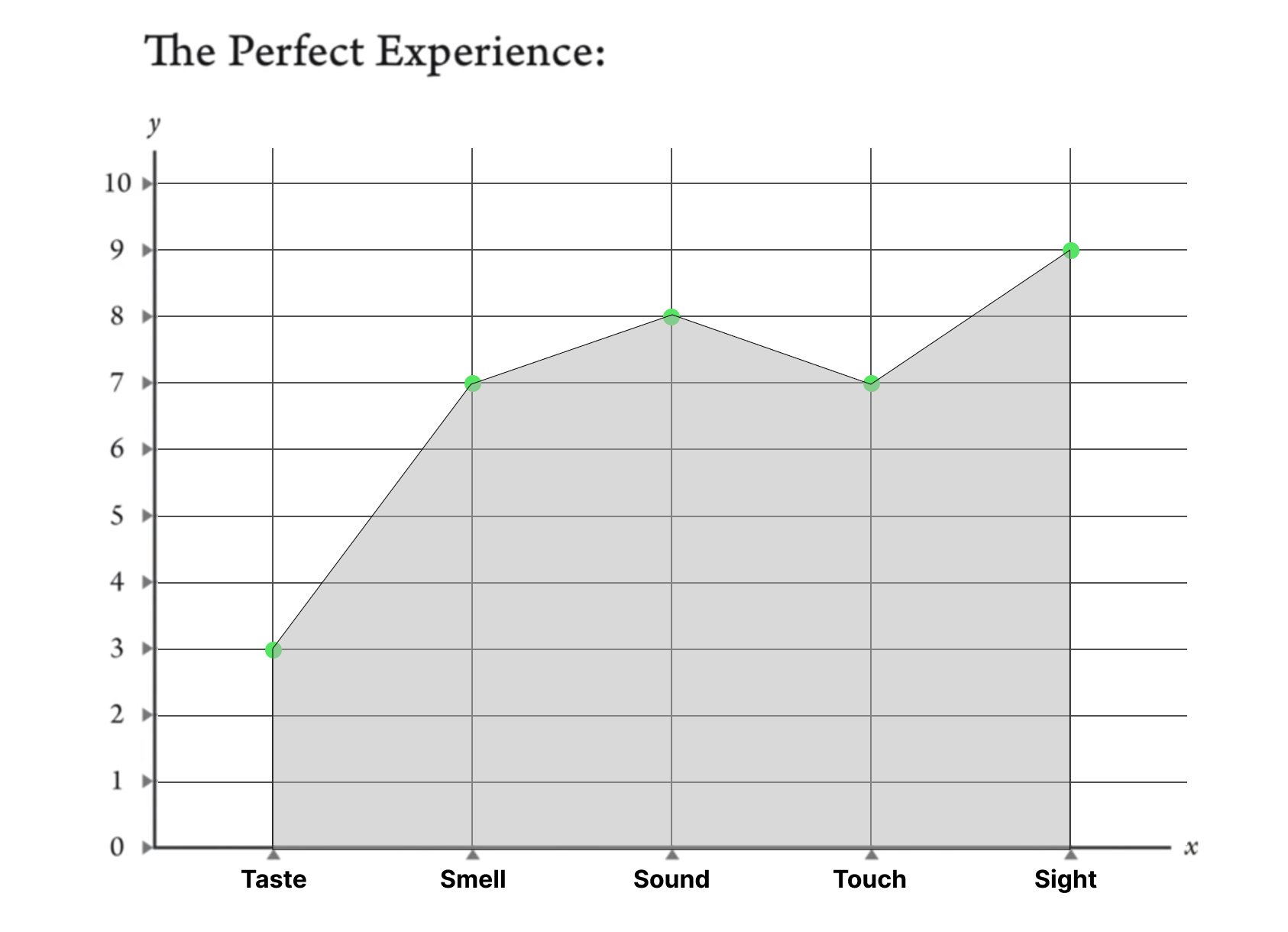
Designing for five senses
A forest discovery experience recreated across every sense, weighted by how strongly each one can be engaged safely outdoors.
Sight
9/10Observe plants, insects, birds and forest ecosystems
Sound
8/10Listen to authentic forest ambience and wildlife
Touch
7/10Explore bark, leaves, seeds and stones
Smell
7/10Scents inspired by forests, flowers and soil
Safe Taste
3/10Edible, nature-inspired flavours using food-grade materials
Impact
Senses Engaged
A complete multisensory model, answering the loss of firsthand contact with nature.
Screen Time
Play works with no cloud or feeds, so the product never re-creates the problem.
Retail Price
Positioned against premium safety-tech, the category parents already pay for.
Play Model
Paired units make discovery social, the part solo nature apps lose.
Projected impact — Concept-stage projections. Sense coverage and play model are design decisions; pricing is derived from a costed bill of materials (₹7,500–8,000 landed) benchmarked against premium kids’ safety devices.
Outdoor Sessions
Per week, once a quest gives a reason to go out.
Minutes Outdoors
Added per session by one full quest arc.
Quest Completion
Target for started quests finished outdoors.
Repeat Pairing
Target share of sessions played with a second explorer.
Projected impact — Projected engagement, not measured results. Baseline is the 2–3 unstructured outdoor sessions per week reported by parents in our concept interviews; targets assume one 30-minute quest is available per session and are the numbers I would instrument first in a pilot.
Instead of telling a child to “find a flower,” the companion asks for help investigating a strange one — turning an activity into an adventure where discovery comes first and learning follows naturally.
Against the original problem — children spending less time outdoors — the concept attacks all three causes we found: it gives parents a safety layer so permission is easier, gives children a story so going out is worth it, and keeps the whole loop offline so screen time is never the reward.
Let’s build something people actually enjoy using
I’m open to Product Design and UX/UI roles and collaborations. Tell me a little about the work — I reply to every genuine message, usually within 24–48 hours.
Your details go straight to my inbox — never shared, sold, or added to any mailing list.